
EV-Ready Buildings Are Becoming Integrated Infrastructure: Solar, Batteries, Charging and Smarter Parking Signals This Week
By Frank Chang, TerraFuse Market Recap | June 11, 2026
EV-Ready Buildings Are Becoming Integrated Infrastructure
Australia’s clean energy and electrification transition continues to accelerate.
This week’s market signals across solar, battery energy storage systems, EV charging, corporate renewable PPAs, strata electrification and visitor parking technology point to one clear message for property stakeholders: EV-ready buildings are no longer just about installing chargers.
The next phase of building readiness is integrated infrastructure.
For strata managers, owners corporations, body corporate committees, building managers, facility managers, developers and land developers, the practical question is becoming:
How should EV charging, solar, batteries, visitor parking, billing, access control and long-term energy planning work together?
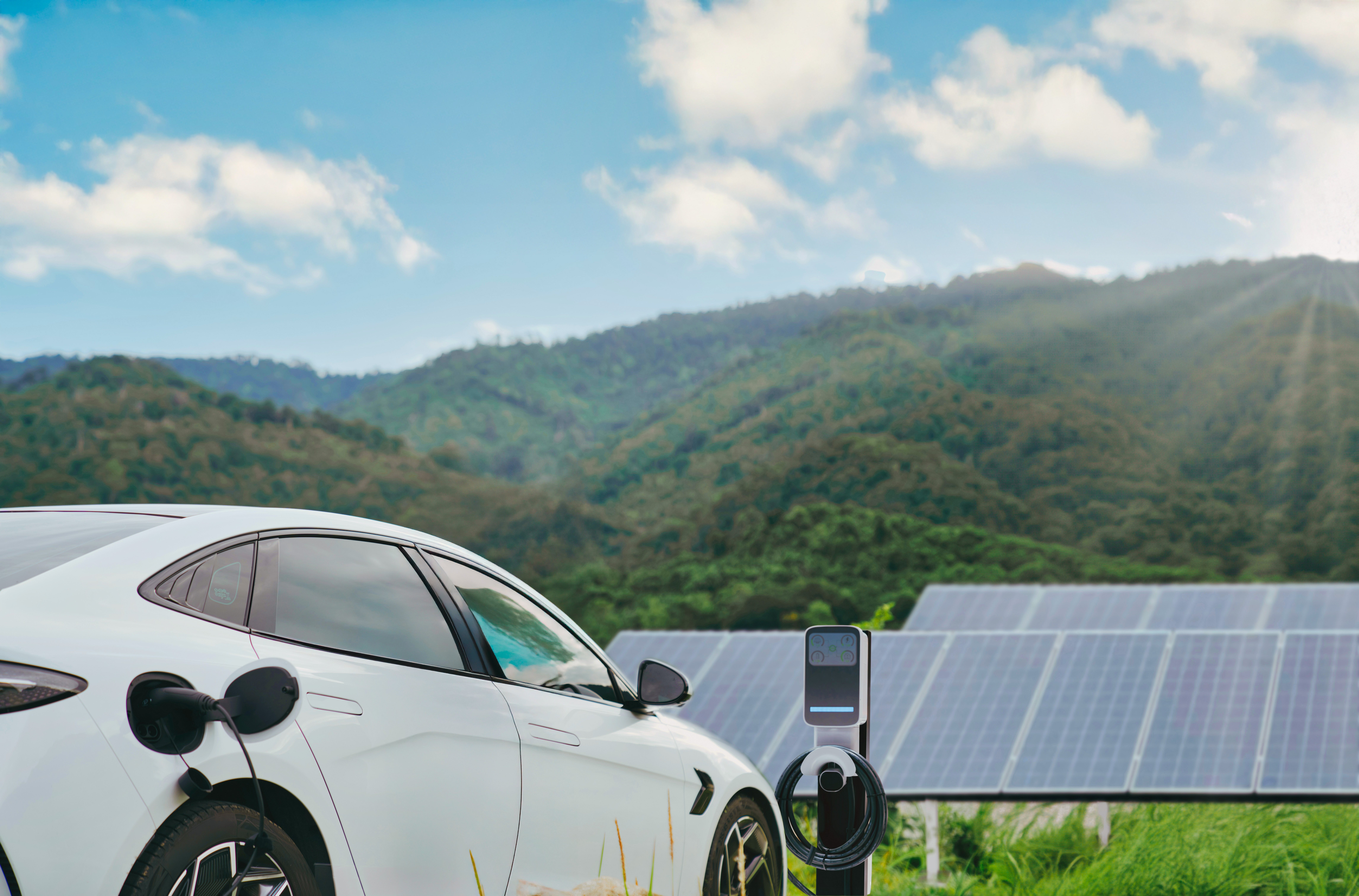
1. Queensland: Solar-plus-storage projects reinforce the integrated infrastructure trend
Queensland continues to show strong momentum in large-scale renewable infrastructure.
Lightsource bp has started construction on the Lower Wonga hybrid renewable energy project near Gympie, combining a 380MWdc solar PV plant with a 281MW / 843MWh battery energy storage system. The project is expected to begin operations in late 2028.
Another proposed Queensland project, the Euleilah Solar Farm and BESS near Gladstone, includes a 360MW solar farm and 300MW battery. Community discussion around the project has focused on fire management, local engagement and long-term planning.
For property stakeholders, the message is clear: energy infrastructure is increasingly being planned as a combined system, not as isolated assets.
At building level, the same principle applies. EV charging, solar, battery storage and parking management should be reviewed together before upgrades are approved one by one.
2. NSW: EV access and apartment charging remain a policy priority
New South Wales remains one of Australia’s most important markets for strata electrification and EV charging access.
The NSW Electric Vehicle Strategy confirms that the state has invested more than $330 million under the EV Strategy, including co-funding for more than 3,250 EV charging plugs. The strategy also identifies further investment to expand public charging and address charging access gaps.
NSW also provides co-funding through its EV Ready Buildings program, with funding available to help eligible apartment buildings assess and install EV infrastructure upgrades. The NSW Government notes that 15% of the state’s population lives in apartments and that there are nearly 84,000 strata schemes in NSW.
For strata committees and owners corporations, this reinforces the need to move from reactive charger approvals to building-wide planning.
A professional assessment can help identify electrical capacity, charger locations, resident access rules, billing pathways, load management requirements and future expansion options.
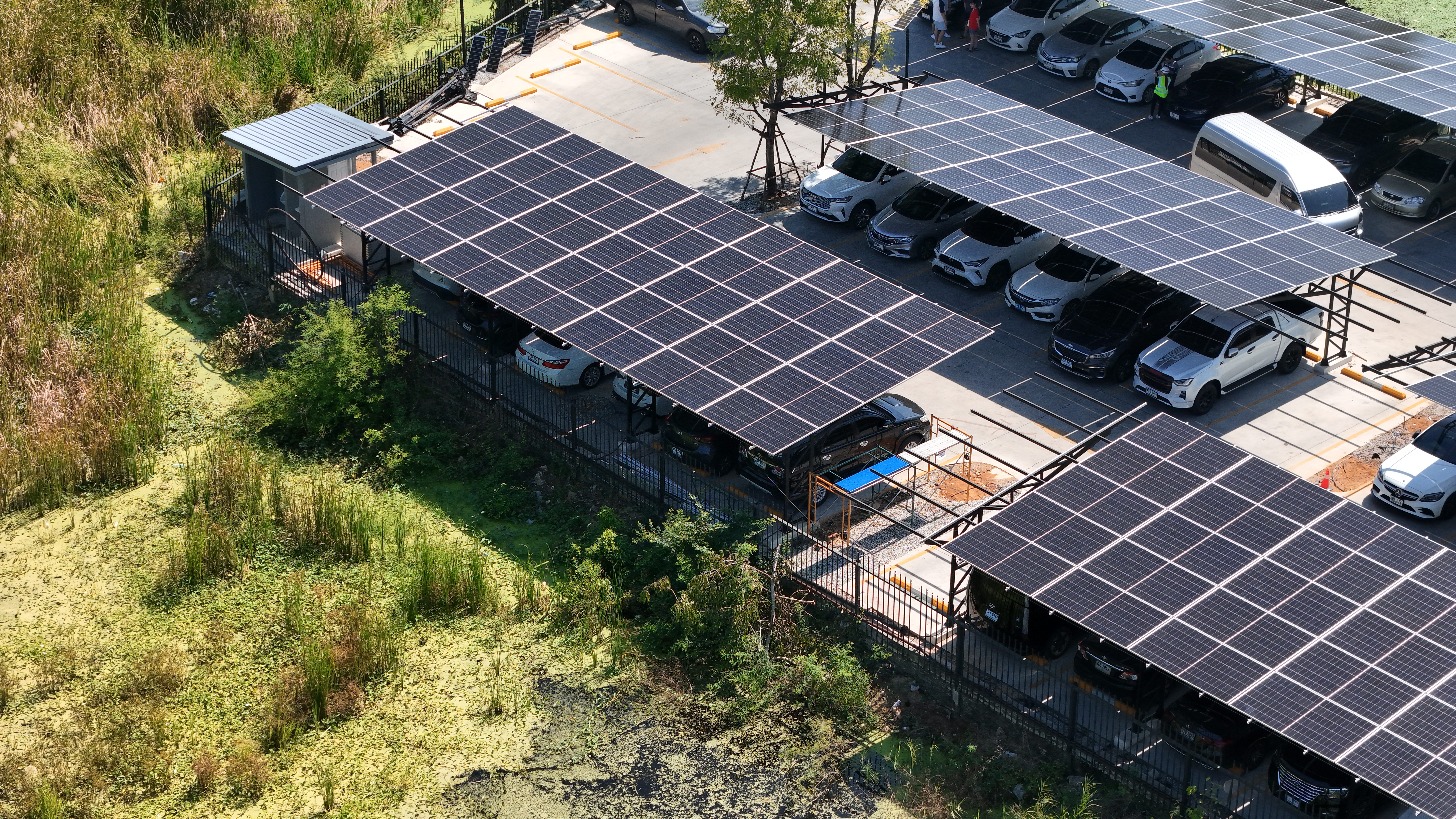
3. Victoria: Apartment EV charging is moving from concept to reality
Victoria continues to provide useful examples of EV-enabled apartment infrastructure.
At the Sierra Hawthorn apartment development in Melbourne, NOX Energy installed more than 250 EV chargers as part of an ARENA-supported strata building EV adoption program.
This type of project shows that EV charging in apartment buildings is no longer just a future idea. It is already becoming part of premium multi-residential development and retrofit planning.
However, the lesson is not that every building needs hundreds of chargers immediately.
The stronger lesson is that buildings need a staged EV-readiness pathway. That pathway should consider electrical capacity, resident demand, future charging ratios, visitor parking requirements and long-term energy integration.
4. National: EV sales growth is increasing pressure on building infrastructure
EV demand in Australia continues to accelerate.
Battery electric vehicles accounted for a record 20% of new vehicle sales in May 2026, according to FCAI reporting, marking the highest monthly market share recorded to date.
The Driven also reported that EV sales reached 21,303 vehicles in May, with electric vehicles taking a record 20% share of the national new vehicle market.
This matters for property stakeholders because higher EV adoption eventually flows into car parks.
More residents, tenants, visitors and fleet users will expect charging access. Buildings that wait until demand becomes urgent may face more difficult approval processes, higher retrofit costs and greater pressure from residents.
Planning early allows buildings to stage infrastructure more carefully and avoid short-term decisions that limit future flexibility.
5. Commercial solar and PPAs show the broader sustainability opportunity
Australia remains a global leader in residential rooftop solar, but commercial and industrial solar adoption continues to lag.
Recent IEEFA analysis reported that Australia had 22GW of residential rooftop solar installed by December 2025, compared with 5.6GW of commercial and industrial rooftop solar, despite the business sector consuming significant energy.
At the same time, corporate renewable PPAs remain an important part of Australia’s clean energy transition. Amazon Australia recently announced nine new renewable power purchase agreements, adding 430MW of clean energy capacity and bringing its total Australian renewable capacity to nearly 1GW once fully operational.
For developers, facility managers and commercial property owners, this highlights the growing value of energy strategy.
Solar, batteries, EV charging and future PPA-style arrangements can increasingly form part of broader sustainability and cost-management planning.
6. Visitor parking remains a practical entry point for strata conversations
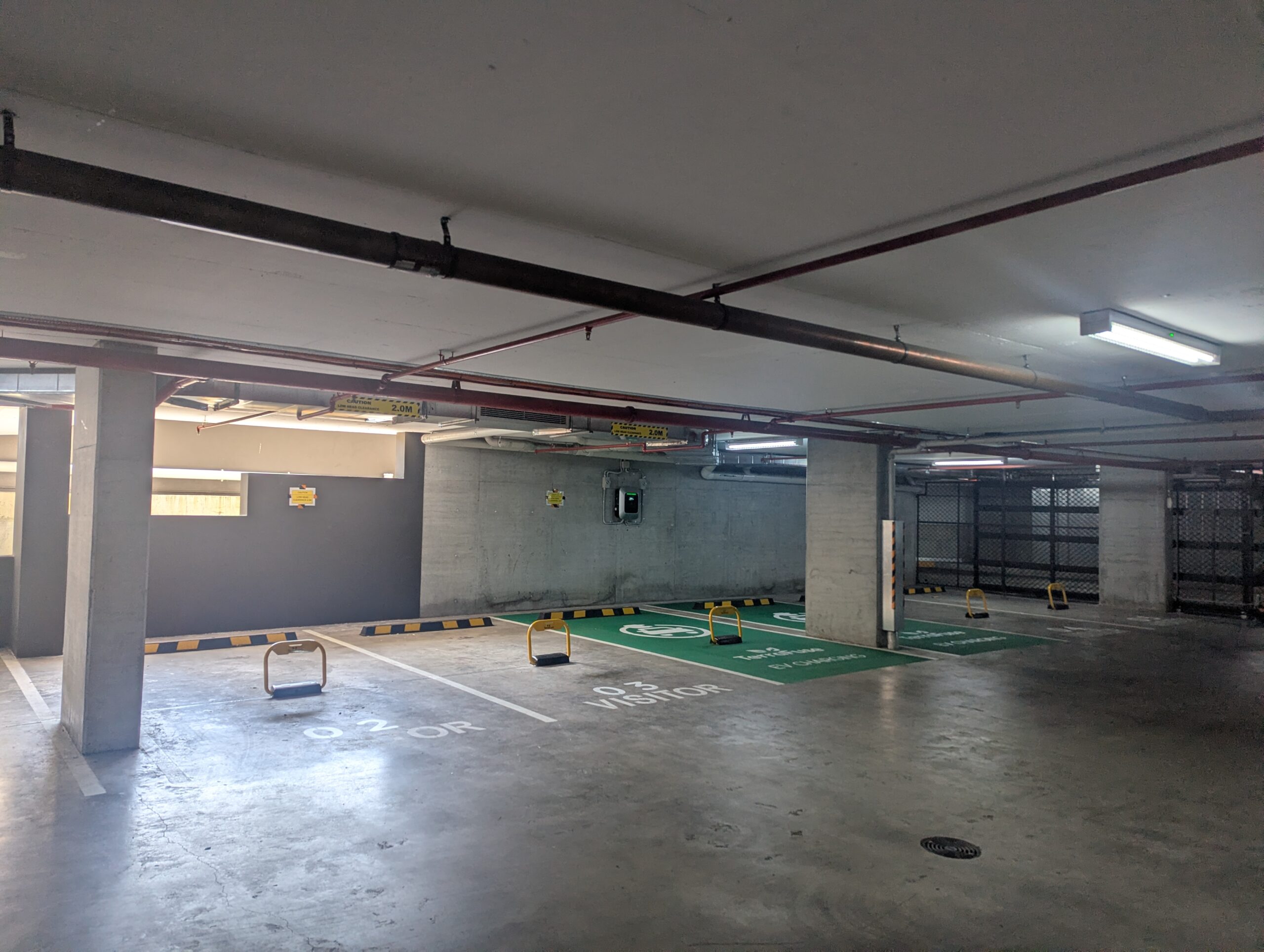
While EV charging is a strategic upgrade, visitor parking remains one of the most immediate operational pain points for many strata buildings.
Recent Australian strata guidance continues to highlight common visitor parking problems such as resident misuse, short-stay guest pressure, unclear by-laws, evidence gathering and enforcement process.
This is highly relevant to EV-ready building planning.
As buildings introduce EV chargers, they also need to think about how car park access will be managed. Questions may include:
- Who can use shared charging bays?
- How are visitor bays protected from resident misuse?
- How is overstay managed?
- How are charging costs recovered?
- How are rules communicated and enforced?
- How does the building plan for future EV demand?
For many strata communities, the best starting point may be a visitor parking review before moving into broader EV charging and smart car park upgrades.
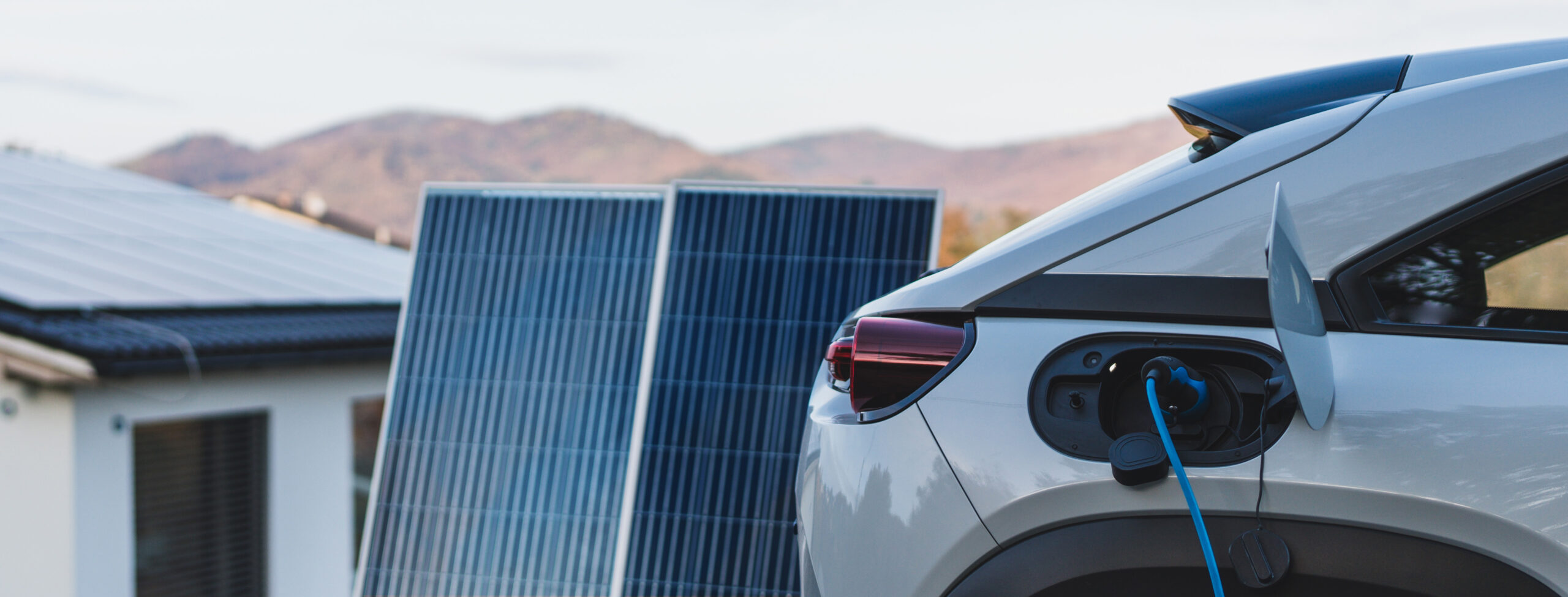
7. Global: Batteries, EVs and energy systems are converging
Globally, battery storage remains one of the fastest-growing clean energy technologies.
The International Energy Agency reports that 108GW of new battery storage capacity was deployed worldwide in 2025, 40% more than in 2024. Installed capacity is now eleven times higher than in 2021.
The global EV and battery ecosystem is also moving toward energy integration. General Motors has recently announced energy-related initiatives involving bidirectional charging, utility-scale storage and sodium-ion battery development for stationary storage applications.
These global trends reinforce the same conclusion for Australian property stakeholders: EVs, batteries and buildings are becoming part of a connected energy ecosystem.
The strongest buildings will not treat EV charging, solar, battery storage and parking technology as separate decisions. They will plan them together.unities, the best starting point may be a visitor parking review before moving into broader EV charging and smart car park upgrades.
What this means for property stakeholders
For strata managers, body corporate committees, building managers, facility managers and developers, this week’s market signals point to three practical priorities.
1. Plan EV charging before demand becomes urgent
Resident and tenant EV adoption is rising. Buildings that wait for individual charger requests may face fragmented infrastructure, fairness concerns and avoidable retrofit costs.
2. Treat solar, batteries and EV charging as connected infrastructure
Solar, BESS, EV charging, load management and billing should be reviewed together where possible. This creates a clearer pathway for future upgrades.
3. Start with operational pain points
Visitor parking misuse, overstay, access control and resident complaints are immediate problems that many strata committees already understand. Solving these issues can create a practical pathway toward future-ready car parks.
Conclusion
This week’s clean energy signals show that Australia’s property infrastructure conversation is changing.
EV charging is no longer a standalone upgrade. Solar, batteries, visitor parking technology, smart access, billing and long-term energy planning are becoming increasingly connected.
For property stakeholders, the opportunity is to plan early, stage upgrades carefully and avoid short-term decisions that make future electrification harder.
TerraFuse helps buildings assess the practical pathway toward smarter, greener and more future-ready infrastructure.
TerraFuse Perspective
A TerraFuse site assessment can help property stakeholders review:
- EV charging readiness
- Visitor parking pressure
- Electrical capacity considerations
- Solar and battery integration potential
- Smart access and billing requirements
- Staged implementation options
References
- PV Tech — Lightsource bp begins construction on Queensland Lower Wonga solar-plus-storage project.
- Courier Mail — Community concerns for proposed Euleilah Solar Farm and BESS project near Gladstone.
- NSW Government — NSW Electric Vehicle Strategy and EV Ready Buildings program.
- PV Magazine Australia — Strata building EV adoption project with more than 250 apartment chargers in Melbourne.
- FCAI — Battery electric vehicles reach record 20% of new vehicle sales in May 2026.
- The Driven — EV sales hit record 20% share in May 2026.
- The Guardian / IEEFA — Australian homes lead rooftop solar, while commercial and industrial solar lag.
- Amazon Australia — Nine new renewable energy PPAs adding 430MW of clean energy capacity.
- UnitBuddy — Visitor parking in Australian strata: state-by-state guide.
- International Energy Agency — Global Energy Review 2026 battery storage analysis.
- The Verge — GM energy initiatives involving V2G, storage and sodium-ion batteries.